The pigmentation that keeps coming back
Melasma is one of the most frustrating conditions I treat, and patients usually arrive already frustrated. It shows up as patches of brown or grey-brown pigment, most often across the cheeks, forehead and upper lip. It tends to appear or worsen with hormonal changes, sun exposure and heat, which is why it is common in pregnancy and on the pill, and why it flares every summer.
What brings people to me is usually not that they have never treated it. It is that they have treated it, seen it fade, and then watched it come straight back. They have tried a cream, or a course of a single laser, and the improvement did not last. I want to explain why that happens, because once you understand what melasma actually is, it becomes clear why one treatment on its own rarely holds, and why a combination approach is needed.
I also want to be honest from the start. Melasma is difficult to treat. It can be improved a great deal and it can be controlled, but it is best thought of as a condition to manage rather than one to cure outright. Anyone promising to clear it permanently in one go does not understand the problem.
What is actually happening in melasma?
Melasma is more than pigment sitting in the skin. Three things are going on at once, and each one matters for treatment.
First, there is inflammation at the basement membrane, the junction between the upper skin (the epidermis) and the deeper layer (the dermis). This low-grade inflammation disturbs that boundary and drives the pigment-producing cells to misbehave. It also lets pigment drop down into the deeper layer, where it is much harder to remove.
Second, there is an increased blood supply to the area. New and dilated blood vessels develop around the pigment cells, and this vascular component feeds and sustains the melasma. This is the part most people have never heard about, and it is a large reason why treatments aimed only at the pigment tend to fail. If the blood supply driving the process is left untouched, the pigment cells keep being stimulated.
Third, the melanocytes themselves, the cells that make pigment, become both more numerous in behaviour and more active. They are switched on, producing excess pigment, and they are primed to switch back on at the smallest trigger, which is why a little sun or heat sets the whole thing off again.
So melasma is an overactive, inflamed, well-supplied pigment factory. A treatment that only lifts the pigment off the surface leaves the inflammation, the blood supply and the overactive cells fully intact, which is exactly why the colour returns.
Why single treatments usually fail
Following from that, the reason a cream alone, or a laser alone, so often disappoints becomes clear.
A cream can slow pigment production, but it does nothing about the vascular supply and cannot reach pigment that has dropped into the deeper layer. A pigment laser can shatter and clear surface pigment, but if used aggressively it generates heat, and heat is one of the things that drives melasma. It is entirely possible to laser melasma and make it worse, which is a mistake I see the results of regularly. And treating the pigment while ignoring the blood supply and inflammation feeding it is like mowing a lawn without addressing why it keeps growing.
This is why I treat melasma in phases, with each phase calming one of the three drivers before moving to the next.
A phased approach to treating melasma
Phase one: calm and suppress with topical treatment
The first phase prepares and quietens the skin before any device is used. Topical tyrosinase inhibitors are used to reduce the production of pigment at its source, dialling down the overactive melanocytes. Getting the skin into a calmer, less reactive state first is important, because treating inflamed, active melasma with a laser straight away is what leads to flares and rebound. This phase also relies heavily on strict sun protection, which is not optional in melasma, because ultraviolet light is one of the strongest triggers there is.
Phase two: reduce the blood supply and inflammation with ProYellow
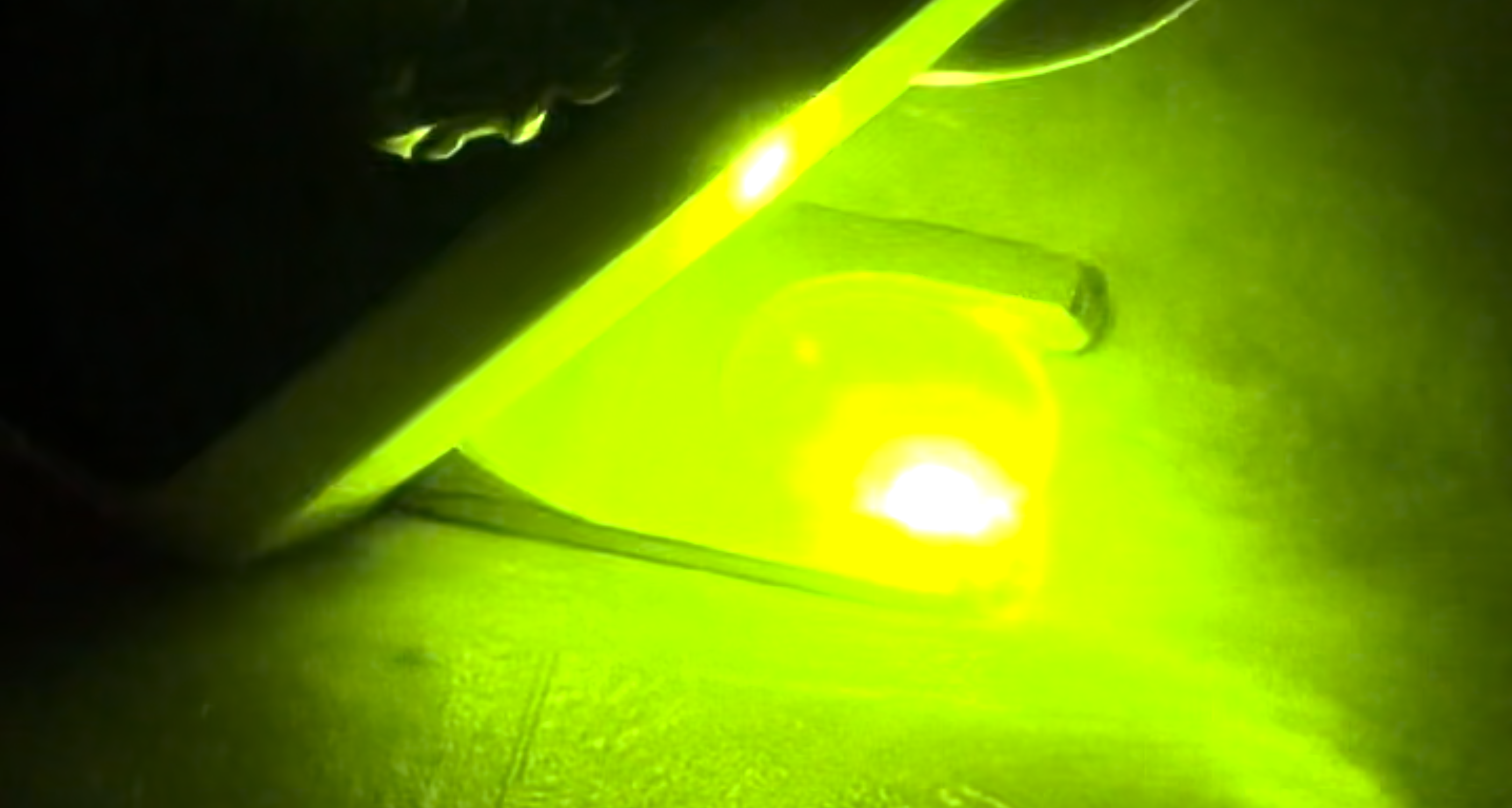
Once the skin is calmer, the second phase targets the vascular and inflammatory drivers that most treatments ignore. I use the ProYellow laser, a 577nm wavelength, which is absorbed by the blood vessels feeding the melasma. By downregulating that blood supply and reducing the inflammation around the pigment cells, it addresses the engine driving the condition rather than only the pigment itself. It also begins to break up the pigment. Treating this vascular component is, in my experience, one of the most important and most overlooked steps, and it is a large part of why a combination approach holds when a single treatment does not.
Phase three: clear the remaining pigment
With the melasma calmer, better controlled and less well supplied, the final phase clears the residual pigment from the skin. A pigment or fractional laser is used to lift the remaining discolouration, ideally using cold ablation, which clears pigment while keeping heat to a minimum. Minimising heat matters more in melasma than in almost any other condition, because heat is itself a trigger. Doing this step last, after the inflammation and blood supply have been brought under control, is what makes it effective and safe rather than provocative.
"Treating melasma pigment while ignoring the inflammation and blood supply feeding it is like mowing a lawn without asking why it keeps growing."
- Dr Rob Humphries, Clinical Director
What results are realistic?
Melasma can be improved substantially and kept under good control, and for most patients that is a significant change in how their skin looks and how they feel about it. But realistic expectations matter. Because the underlying tendency remains, melasma can return if it is triggered, which means treatment includes an ongoing maintenance and protection plan, not just a course and done. Consistent sun protection, sensible avoidance of heat where possible, and periodic maintenance are part of keeping it controlled. Managed properly, it need not dominate your skin. Treated carelessly, particularly with heat, it can be made worse, which is why the approach and the sequence matter so much.
Frequently asked questions
Can melasma be cured?
Melasma is best managed rather than cured. It can be greatly improved and kept under control with the right combination of treatments and ongoing sun protection, but the underlying tendency remains, so maintenance is part of keeping it clear.
Why does my melasma keep coming back?
Because melasma is driven by inflammation, an increased blood supply and overactive pigment cells, not just surface pigment. Treatments that remove only the pigment leave those drivers intact, so the colour returns. Addressing all three is what makes improvement last.
Can laser make melasma worse?
Yes. Aggressive or heat-generating laser can trigger melasma and worsen it, which is a common mistake. Melasma should be calmed first and treated with low-heat, carefully chosen lasers in the right sequence.
What is the best treatment for melasma?
There is no single best treatment. Melasma responds best to a phased combination: topical pigment suppression, a vascular laser such as ProYellow to reduce the blood supply and inflammation, and a low-heat pigment or fractional laser to clear the remaining pigment.
Is melasma treatment safe in darker skin?
Melasma is more common in richer skin tones, and treatment must be chosen carefully to avoid worsening pigmentation. A cautious, low-heat, phased approach with strong sun protection is essential, and the plan should be built around your skin at consultation.
Book a consultation
Melasma responds to a considered, phased plan rather than a single quick fix. Consultations are available at Aion Labs in London.