Three treatments, three different problems
The jawline is one of the most requested areas in aesthetics, and also one of the most commonly mistreated. Someone will come in asking for filler because they have seen it work for a friend, when their jaw would be better served by something else entirely, or occasionally by nothing at all. Someone else will have been told they need surgery when a far simpler treatment would have done.
The confusion comes from treating "I want a better jawline" as one problem with one solution. It is not. A jawline can lack definition for reasons that sit at completely different depths, from loose skin at the surface down to the position of the jawbone itself, and the three main treatments, filler, Endolift and surgery, each address a different one of those layers. Choosing well depends entirely on working out which layer is actually the problem in your face. In addition, these different layers age and change at different rates, so the correct treatment plan becomes all the more important.
My own background is in facial anatomy and in oral and maxillofacial surgery, which is the field that deals with the jaws and the bite, so this is a question I think about from the bone outwards. This article explains how to tell the layers apart, so that the treatment matches the problem.
First, is the problem soft tissue or skeletal?
This is the single most important distinction.
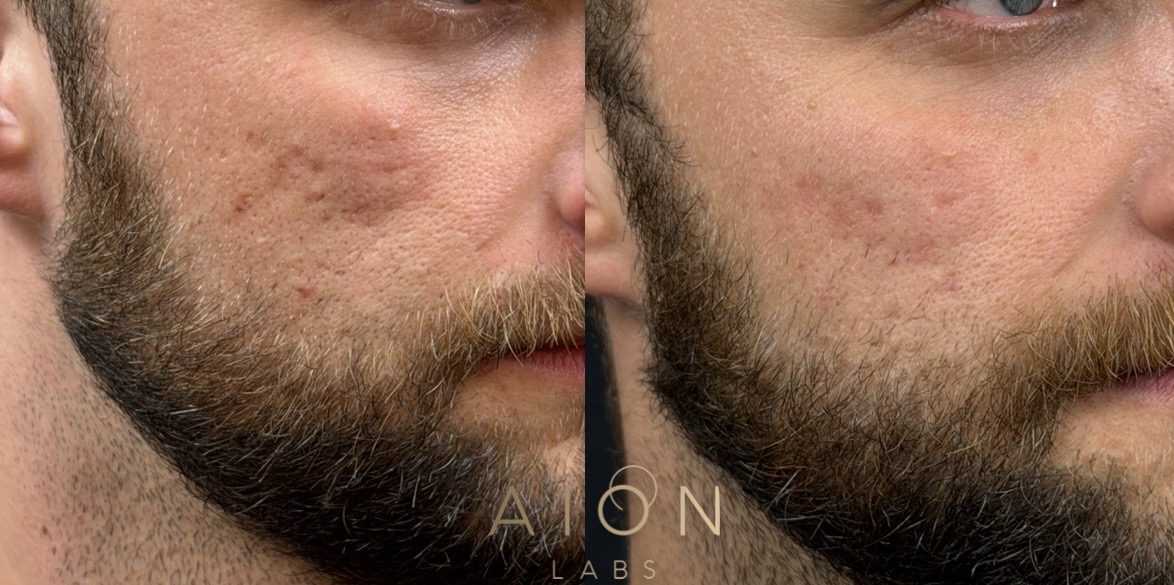
Soft tissue problems are changes in the skin and fat sitting on the jaw: laxity, jowls, a soft or full under-chin, loss of a crisp line. These are usually age-related or weight-related, and they are what filler and Endolift address.
Skeletal problems are about the underlying bone: the jaw itself may be small, set back, or unbalanced relative to the rest of the face. No amount of filler or skin tightening changes the position of a bone. When the jaw structure is genuinely the issue, only a treatment that addresses the skeleton, an implant or jaw surgery, will truly correct it. In some instances filler can be placed deep on the bone but in true skeletal malformations this yields dissapointing results.
Working out which of these you are dealing with is the whole game. Trying to fix a skeletal problem with filler leads to a heavy, overfilled face that still does not look right, because you are stacking soft tissue on top of an underlying imbalance. Sending someone for surgery when they have a simple soft tissue change is overtreatment. Getting the category right first is what protects you from both.
Understanding your bite: Class I, II and III
Surgeons describe the relationship between the upper and lower jaws using a simple classification, and it is worth understanding because it explains when a jaw is genuinely skeletally out of balance. Below is a simplified classification for educational purposes only (the real classification system is more complex and applies to both the position of the teeth relative to each other as well and the relative position of the jaw bones):
- Class I means the jaws and the front teeth meet in a broadly normal, balanced relationship. The proportions are within the normal range.
- Class II means the lower jaw sits further back relative to the upper jaw. This is the pattern behind what people often call a weak or recessed chin and jaw, and a less defined jawline and neck.
- Class III means the lower jaw sits further forward, the pattern behind an underbite or a prominent lower jaw.
This relationship is partly about the teeth, the incisal relationship, and partly about the position of the bones themselves. A significant Class II or Class III is a skeletal difference, not a soft tissue one. If your concern is accompanied by a bite that does not meet properly, teeth that do not align, or a jaw that is clearly set back or forward, that is a signal the underlying structure is involved, and it is worth an assessment by someone who understands the skeleton, not just the skin. Only an in-person examination can establish this. It is not something to diagnose from a photograph or a mirror.
When surgery or implants are the honest answer
For a genuine, significant skeletal discrepancy, the treatments that actually correct it are structural.
Orthognathic surgery, sometimes called double jaw surgery, repositions the jawbones themselves, usually alongside orthodontic treatment, to correct the underlying relationship. It is the definitive correction for a significant Class II or Class III jaw, and for many people it also resolves functional problems with the bite, not only appearance.
Jaw and chin implants add permanent structure to the bone in a more localised way, augmenting a chin or a jaw angle where the framework is deficient.
These are bigger undertakings than any injectable, with real surgery, real recovery and real risk, and they are not the right answer for a mild concern. But when the jaw is genuinely skeletally deficient or unbalanced, they are the only treatments that address the true cause, and it is more honest to say so than to disguise a structural problem with filler. Where a patient's situation points this way, the right step is a proper surgical assessment and, where appropriate, care alongside the relevant specialists.
What filler can realistically achieve
For the large majority of people whose proportions are within the normal range, a Class I with soft tissue changes rather than a skeletal discrepancy, filler is a genuinely good option, and often the right one.
Placed well, dermal filler can sharpen and define a jawline, add a little projection to a chin, and improve the transition from jaw to neck. In someone with reasonable underlying structure, it restores or enhances definition without surgery and without downtime.
What filler cannot do is substitute for missing bone. If it is used to try to build out a significantly recessed jaw, it takes a great deal of product, it tends to make the lower face look heavy and full rather than defined, and in women in particular it can masculinise or overload the face. That is the overfilled look people are increasingly trying to avoid. Used within its limits, on the right face, filler is excellent. Pushed beyond them, it disappoints.
Two honest points I make to every filler patient. First, if your proportions are normal, the risks, cost and downtime of surgery are usually not justified, and filler is the sensible choice. Second, filler is not permanent but it does not vanish completely between sessions, so maintenance top-ups should be smaller than the first treatment rather than a full repeat each time. Anyone re-dosing the entire original amount every year is heading towards an overfilled result.
Where Endolift fits instead
Filler adds volume. Endolift does something different, and for a certain jawline problem it is the much better tool.
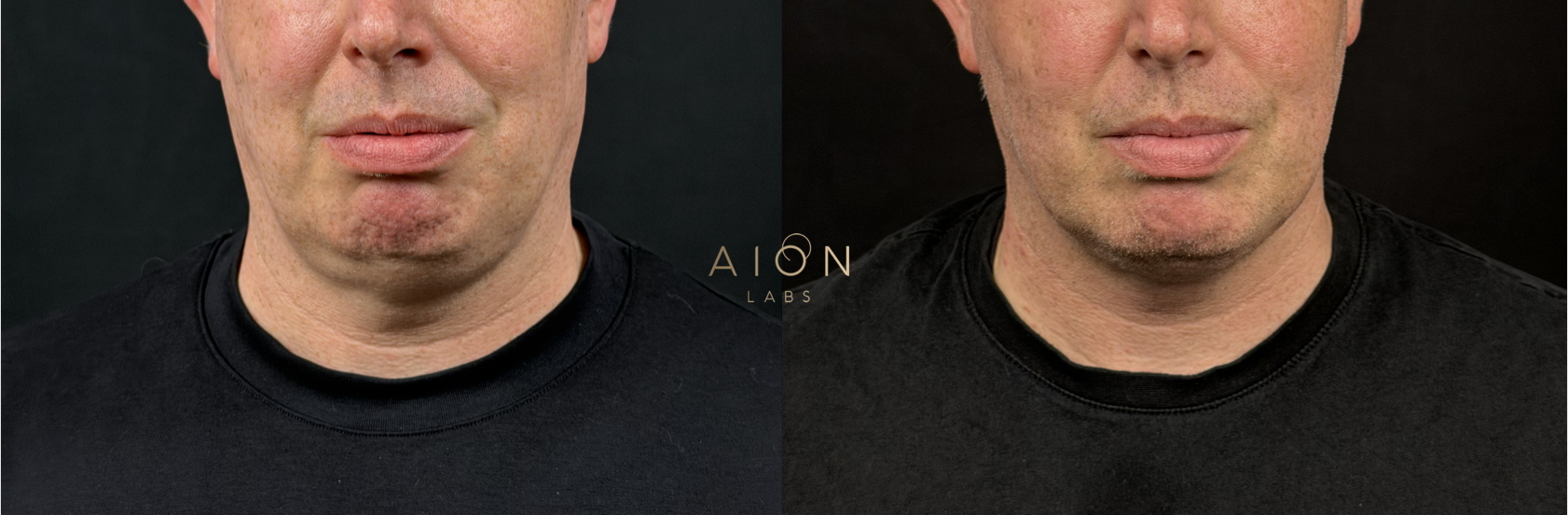
Where the issue is laxity, an early jowl, a soft under-chin or skin that has lost its tightness, adding volume is the wrong move, because the problem is not lack of volume. Endolift is a minimally invasive laser that tightens the skin and can reduce small pockets of fat under the chin and along the jaw, working with the structure rather than adding to it. For someone whose jawline has softened with age or weight change rather than lacking bone, Endolift restores the line by tightening and refining, which often looks more natural than trying to rebuild the same contour with filler.
So the soft tissue category itself splits in two. If the problem is a lack of definition on good structure, filler adds it. If the problem is laxity and heaviness, Endolift tightens it. Many people are told filler is the answer to both, when tightening is what they actually needed.
So which one do you need?
The honest summary:
- If you are a younger patient and your jaw and bite are balanced and you simply want more definition, filler is usually the right, proportionate choice.
- If your jawline has softened, sagged or developed jowls or a full under-chin with age or weight change, Endolift addresses that better than filler.
- If your jaw is genuinely set back or forward, with a bite that does not meet properly, that is a skeletal issue, and only surgery or implants will truly correct it. Filler on top of that is a disguise, not a fix.
The value of seeing someone who understands all three, and the bone beneath them, is that you are told which category you are actually in, including when the answer is that you need less than you thought, or something other than what you came in asking for.
Frequently asked questions
Can filler fix a weak or recessed jaw?
Filler can define and enhance a jawline with normal underlying structure, but it cannot substitute for missing bone. A genuinely recessed jaw is usually a skeletal issue, and using large amounts of filler to disguise it tends to look heavy rather than defined.
When do you actually need jaw surgery instead of filler?
Jaw surgery or implants are indicated when there is a genuine skeletal discrepancy, for example a significantly set back or prominent jaw with a bite that does not meet properly. This is a structural problem that filler and skin tightening cannot correct.
Is Endolift or filler better for my jawline?
It depends on the problem. If you have good structure but want more definition, filler adds it. If your jawline has become lax or jowly with age or weight change, Endolift tightens the skin and refines the line, which suits that problem better than adding volume.
What is a Class II jaw?
Class II describes a lower jaw that sits further back relative to the upper jaw, the pattern often behind a recessed chin and a less defined jawline. Whether it is significant enough to need structural treatment can only be judged by in-person assessment.
How do I know if my jawline problem is skin or bone?
Only a proper assessment can tell you for certain. As a guide, laxity, jowls and a soft under-chin are soft tissue issues suited to filler or Endolift, while a jaw that is clearly set back or forward with an off bite suggests the skeleton is involved.
Book a consultation
The most useful thing a jawline consultation can do is tell you which layer your problem sits in, and therefore which treatment, if any, is right. Consultations are available at Aion Labs in London.